
Ford has built some of America’s most trusted vehicles, but not every model has lived up to that reputation. Over the last two decades, several Fords have earned a place on drivers’ do-not-buy lists due to serious reliability problems, expensive repairs, or frustrating design flaws.
From faulty transmissions to hazardous recalls, these cars have brought about more frustration than joy. Some were perfect on paper but could not stand the test of time. Others were pushed to production or constructed with budget-saving measures in mind, and the owners were forced to live with the effects.
Below we’ve compiled a list of Ford models worthy of mention for all the wrong reasons. If you’re considering purchasing used or just want to know why some years were left out, this analysis will save you time, money, and frustration. Save yourself the aggravation by learning from those who were burned first.

#1 Ford Explorer (2002–2005)
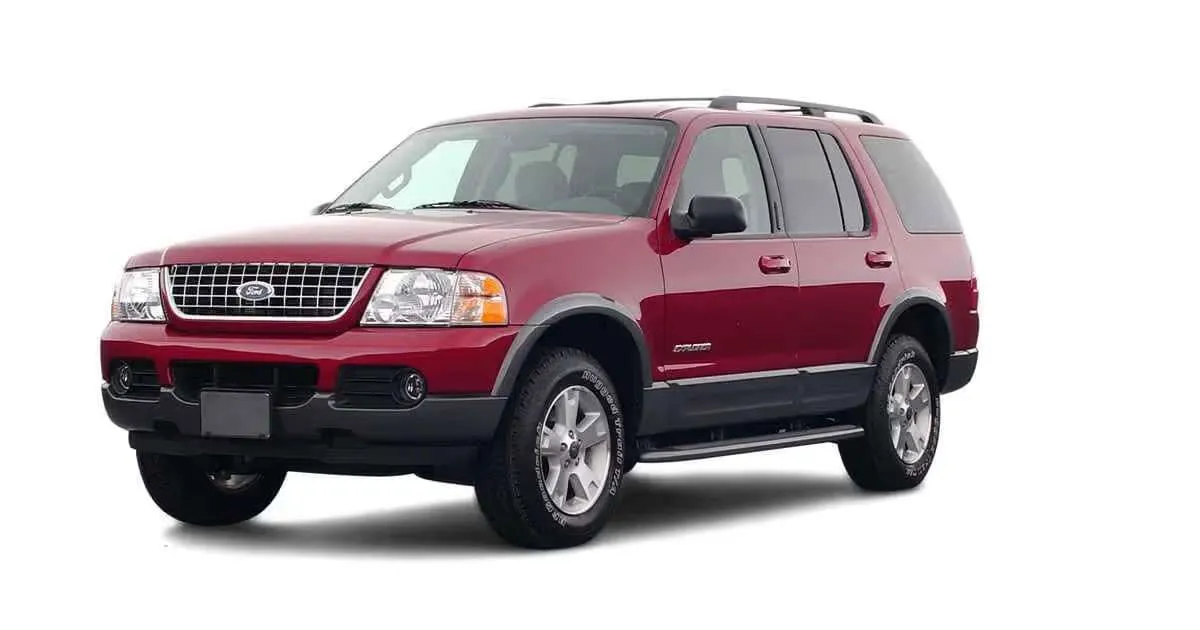
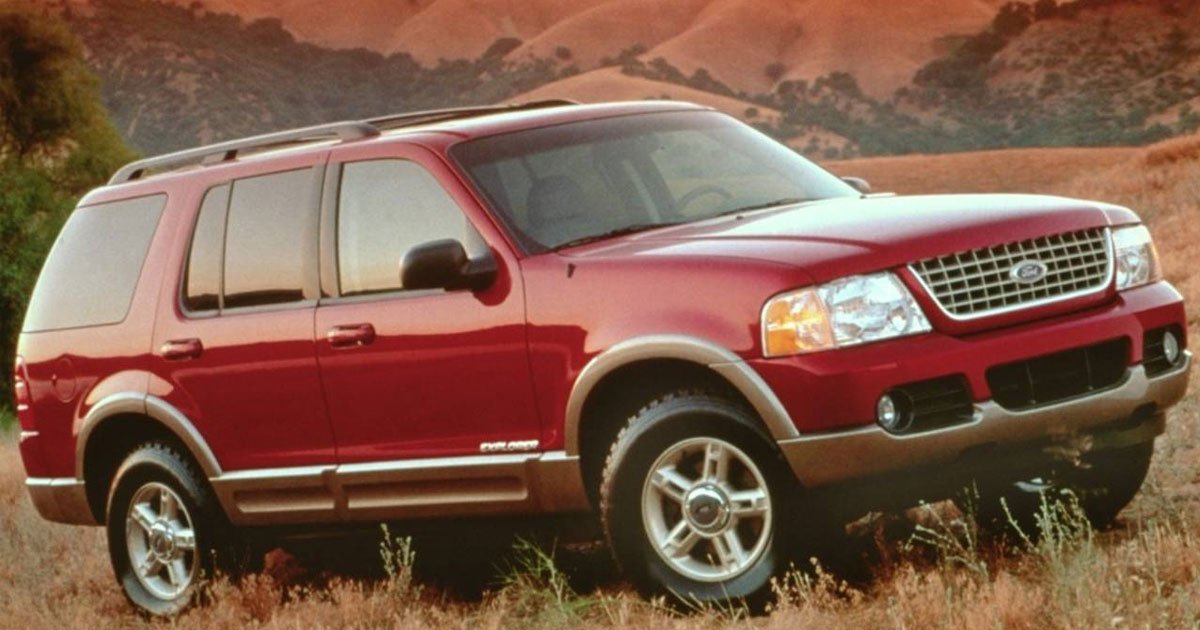
The Ford Explorer 2002 to 2005 was among the best-selling SUVs during its day but was plagued by so many issues that irritated a good number of owners. This model debuted with a completely independent rear suspension, designed to provide a smoother ride but with long-term reliability issues instead.
Transmission failure was the single most frequent grievance, usually happening before 100,000 miles. Slipping gears, slow gear engagement, or complete transmission failure was experienced by numerous drivers, easily costing thousands to repair. These issues damaged the Explorer’s long-term value and ranked it as one of the most complained-about SUVs from the early 2000s.
Added to all of that, rollover issues and tire problems from previous models continued. Added to that were unimpressive fuel economy and common rear differential issues, and the Explorer’s reputation faltered. What had seemed like a solid family SUV would all too often become a costly headache, and this generation was one that many steered clear of.
#2 Ford Focus (2012–2016)
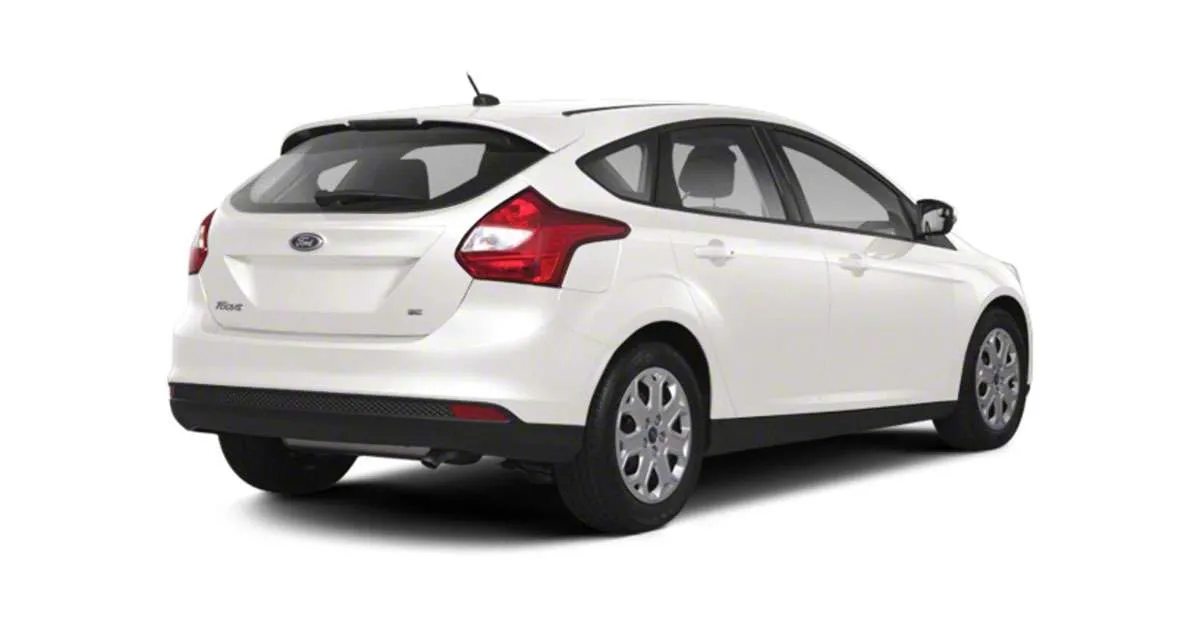
The 2012 through 2016 Ford Focus was a redesign that showed so much promise but ended up being one of Ford’s nightmares. The cause of the nightmare was its PowerShift dual-clutch automatic transmission. Jerking, hesitation, shuddering when accelerating, and even complete failure were reported by owners. These issues had a tendency to happen before 60,000 miles and continued despite several repairs.
Ford released software updates and warranty repairs, but the repairs never seemed to hold for very long. Class-action lawsuits ensued, and consumer confidence took a huge blow. The transmission problem wasn’t the only one, either. Electrical faults, premature clutch wear, and stalling engines contributed to the aggravation.
While the Focus was fuel-efficient and had a comfortable ride when all things were working as they should, the extensive list of drivetrain issues caused this car to be difficult to recommend. For some owners, this model became less driving and more trips to the dealership.
#3 Ford Escape (2005–2008 Hybrid)
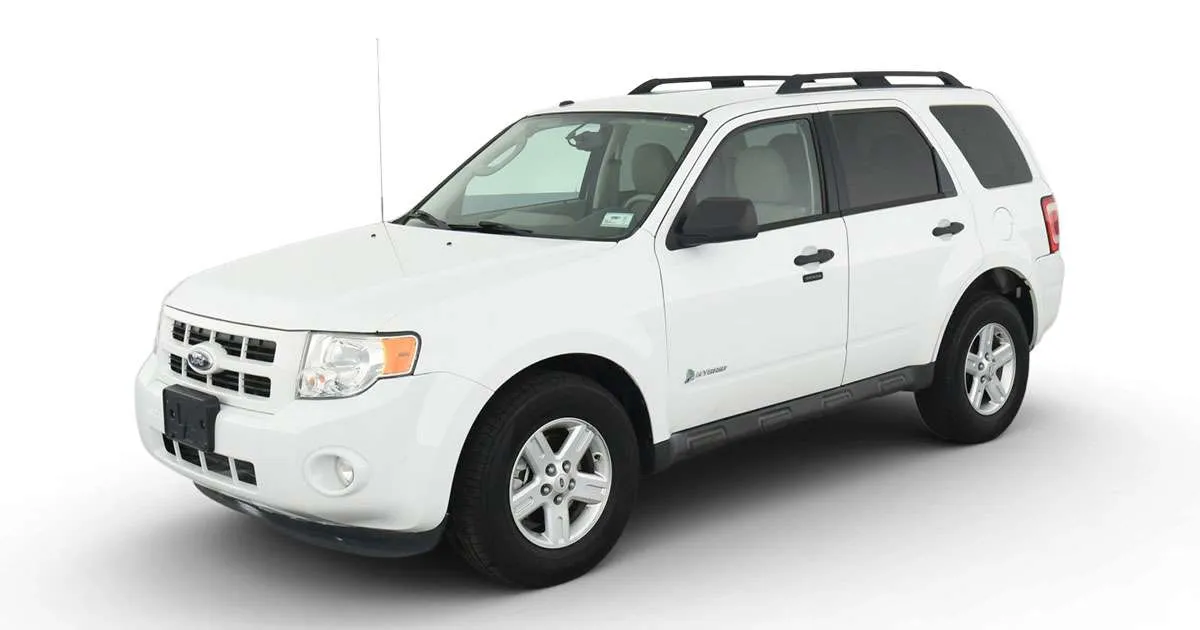
One of the earliest mass-market hybrid SUVs, the Ford Escape Hybrid featured good fuel economy and practicality. However, although ahead of its time, 2005 to 2008 model year production vehicles suffered from significant reliability issues. Failure of the regenerative brake system was a common issue, resulting in erratic stopping distances and expensive repairs.
Battery issues were also prevalent. A replacement of the high-voltage battery could be several thousand dollars, which in most instances was more than this Ford is worth. Others had experienced sudden shutdowns or warning lights that involved complicated diagnostics few shops could manage.
As revolutionary as the hybrid model was when it first came out, Ford didn’t quite manage to back it up with good parts and long lifespan. Thus, when things did start going wrong, what was once a nifty, earth-friendly SUV had become an expensive albatross for many. For several owners, the Escape Hybrid was proof that first is not always best.
#4 Ford Fiesta (2011–2016)
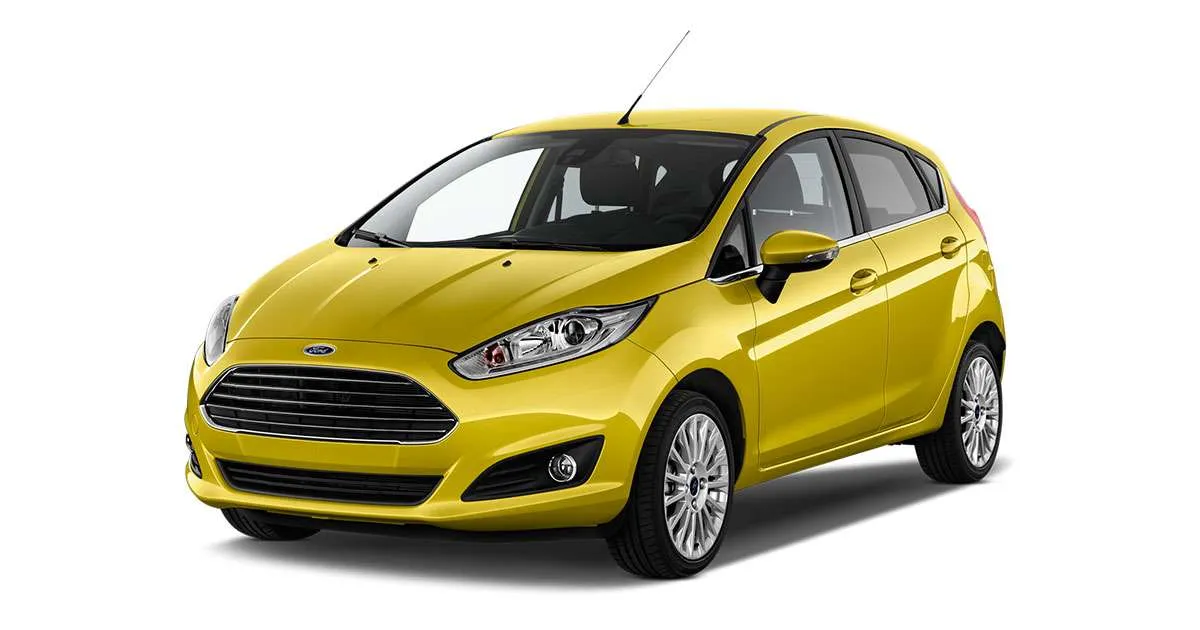
The 2011 to 2016 Ford Fiesta was built to be a budget-friendly, gas-sipping city compact car. What it ended up being was one of the most complained-about small cars in its segment. The worst problem was its PowerShift dual-clutch transmission. It was responsible for hard shifts, jerking, hesitation, and even stalling when driving in traffic. Numerous owners had to take their vehicles to the dealer over and over, only to have the problems reappear weeks later.
Ford provided software repairs and extended warranties, but that helped little to restore trust. Some motorists said they felt unsafe on the road, particularly in dense traffic or when cornering.
The issues did not stop with the transmission. The Fiesta was also faulted for low-quality interiors, tight rear seats, and annoying cabin noise at highway speeds. What was supposed to be an affordable commuter car was made into a mechanical headache for thousands of owners. To most, this model just was not worth the hassle.
#5 Ford Edge (2007–2010)
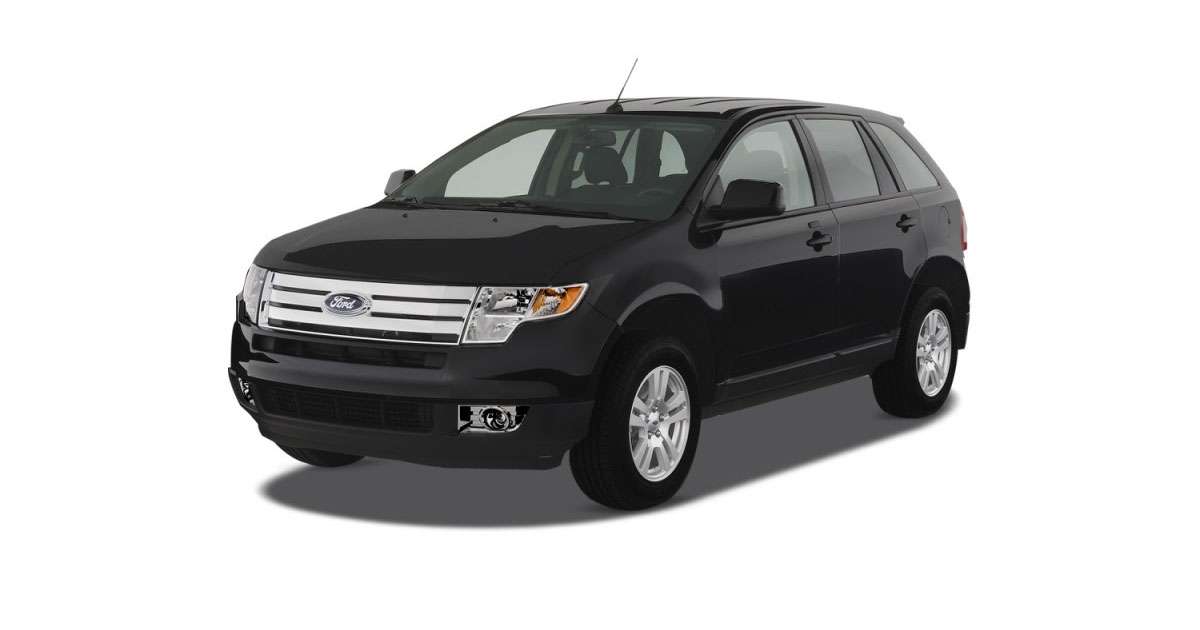
The first Ford Edge debuted amidst much fanfare as a midsize crossover aimed at combining comfort, utility, and style. Early models quickly gained a reputation, however, for transmission problems that drove away many potential buyers. One of the most common problems was transmission failure, with many needing to be replaced well before 100,000 miles.
There were also electrical problems. Owners reported faults with the door ajar sensor, climate controls, and dash lights. Some experienced complete system shutdowns, which were tricky and costly to diagnose.
To add to these issues, the Edge also suffered from throttle body failure that resulted in abrupt loss of power during driving. Motorists were left stranded in unsafe conditions without any warning. Coupling expensive repairs with erratic build quality, the 2007 through 2010 Edge did not live up to the standards of motorists who needed a reliable SUV. For many, it was a car they wished they never purchased.
#6 Ford Freestar (2004–2007)
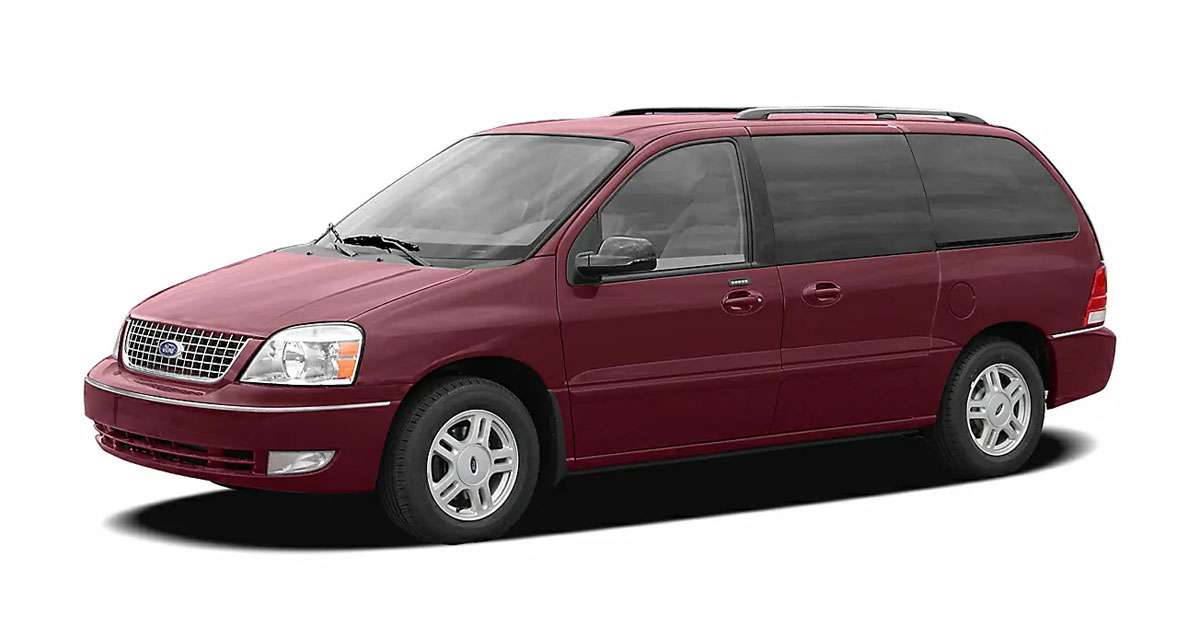
The Ford Freestar was introduced as a minivan competitor but quickly fell behind in performance and reliability. Quite possibly the worst problem was that its transmission would fail without notice quite regularly. Motorists were left stranded with repair costs exceeding the vehicle’s worth.
Besides the drivetrain problems, the Freestar also had weak engine power and weak fuel economy, making it less utilitarian compared to its competitors. Interior quality was also below par, with low-quality materials and less than stellar long-term durability.
The Freestar’s reputation quickly soured, and its resale value plummeted. It also had a large recall due to rust in the rear wheel areas that impacted how much strength it had. For families seeking a good and inexpensive minivan, the Freestar proved to be a huge disappointment. Even today, it is regarded as one of Ford’s most forgettable and problematic vehicles.
#7 Ford EcoSport (2018–2022)
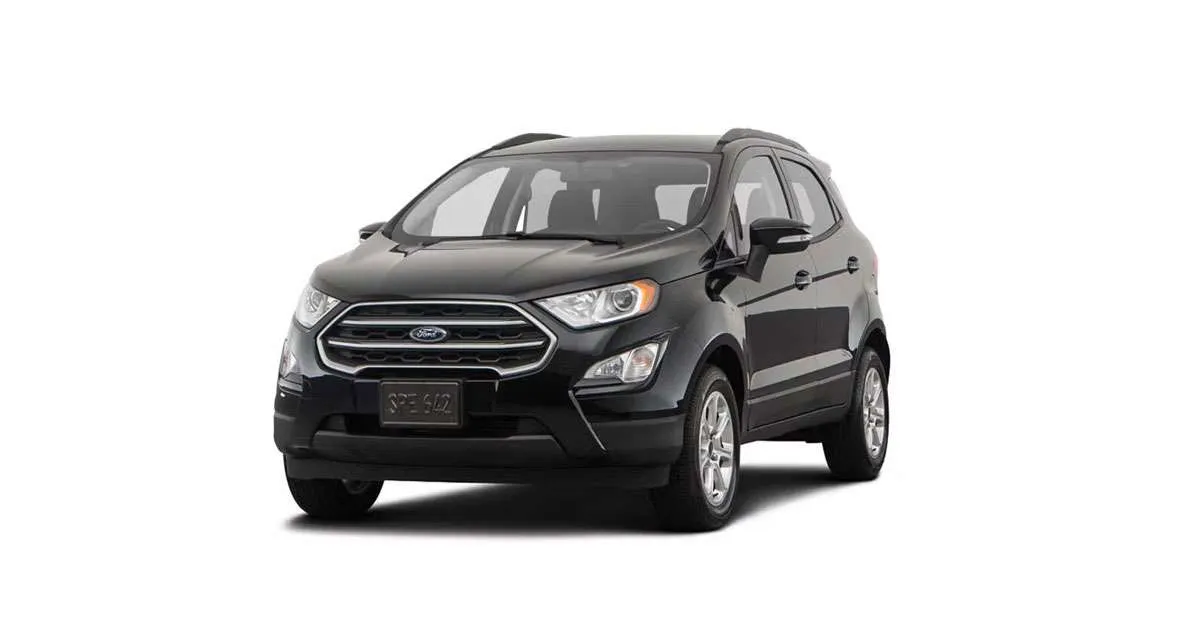
The Ford EcoSport arrived in the U.S. market late to the subcompact SUV segment and was fighting an uphill battle from the beginning. It was equipped with underpowered engine choices that made merging and highway passing feel sluggish, especially with the base three-cylinder engine. A number of critics and owners reported that it also rode roughly, had a noisy interior, and wasn’t as polished as its competitors.
The infotainment and interior technology seemed outdated, even on new models. The interior room was small, especially in the back seats and trunk area, which made it less practical for everyday use. As a vehicle being sold to young urban buyers, the EcoSport didn’t provide comfort and convenience as its class would require.
Reliability was also an issue, with problems in the electrical and transmission systems being reported. Although small and highly publicized, the EcoSport failed to become popular and disappointed many buyers with its value and performance.
#8 Ford Taurus (2000–2007)
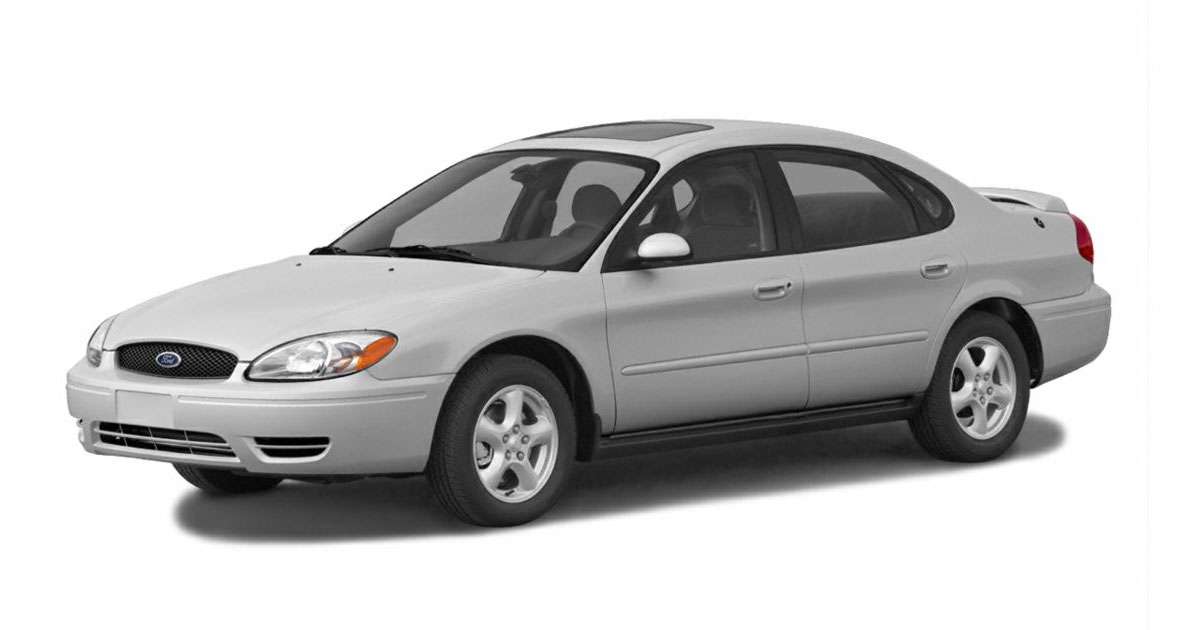
A household brand at one time, the Ford Taurus plummeted from the 2000 to 2007 model years. These newer models were nearly universally thought of as outdated, with uninspired styling and behind-the-curve features. Ford continued to flood the Taurus into rental fleets, which hurt its reputation and resale value in the minds of private buyers.
Among the most prevalent grievances was transmission. Breakdowns were common and usually took place with little warning, resulting in expensive repair costs for owners. Electrical breakdowns and cooling system problems also became common afflictions for many drivers.
Interior trim was cheap-feeling, and build quality took a considerable drop from previous models. What had been a top-selling sedan was now a car that no one desired. For those who were looking for the same reliability and comfort of previous Taurus models, this generation did not live up to the name and is now better known for its failure than its legacy.
#9 Ford Mustang (2015–2017 EcoBoost)
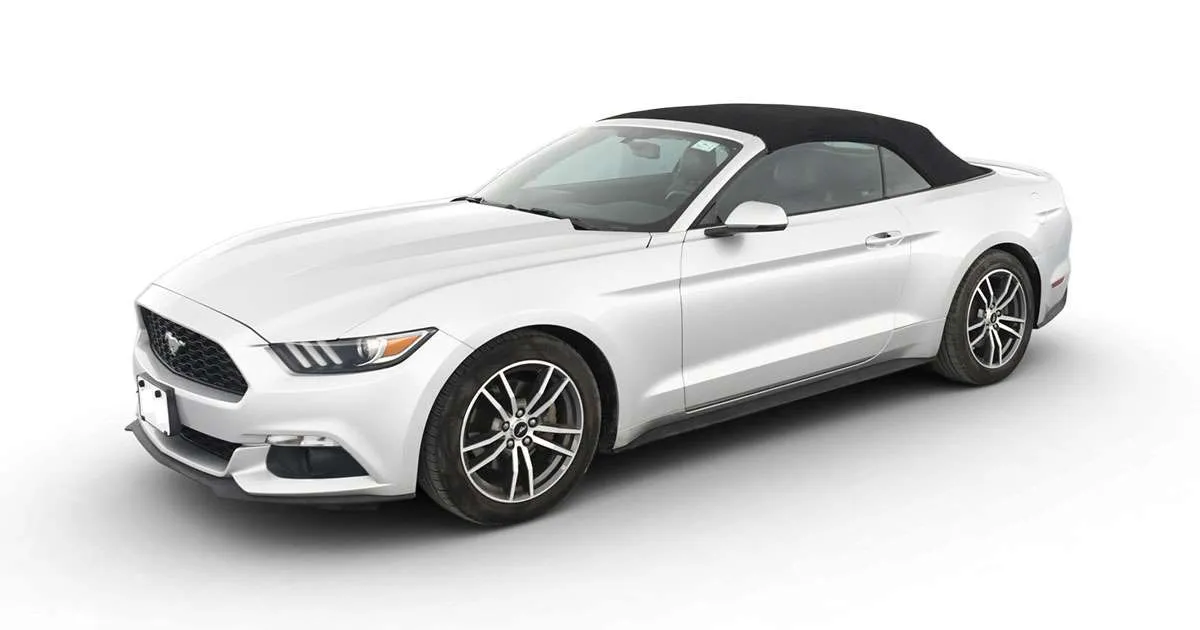
Including the EcoBoost engine in the Mustang lineup was designed to deliver a mix of efficiency and power. While this sounded great to engineers on paper, the implementation left plenty of owners less than happy. To begin, engine overheating, coolant intrusion, and premature head gasket failure were issues drivers complained about from the get-go. These Mustang issues demanded expensive repairs and called into question the EcoBoost’s long-term durability.
These issues were particularly troubling because they occurred under normal driving conditions, not only aggressive driving. The engine would lose power or even shut off in certain instances, creating safety issues while on the road.
While the EcoBoost Mustang picked up speed well and drove well, reliability concerns made it a gamble for buyers. For those who just wanted a reliable daily driver with muscle car heritage, this version of the Mustang fell short. The mechanical gamble for most upset owners outweighed the performance gains.
We Buy Useless Fords in Virginia!
Not every Ford is a long-term keeper. Some experience early failures, are costly to repair, or just aren’t worth the hassle. If you own a Ford that no longer runs, isn’t safe, or isn’t worth the repair, you’re not alone, and you have choices.

Virginia Car Buyers is a leading auto broker serving the entire state that will give you cash for that unwanted Ford that others don’t want to buy. If it’s wrecked, totaled, or simply occupying space, we’ll make you a fair offer and take care of the pickup and paperwork. No hassle. No waiting.
Release the burden and convert that worthless Ford into spendable cash. Start the process now with Virginia Car Buyers by clicking here to get an estimate.