Interested in learning about Virginia traffic laws so that you can avoid getting pulled over for a minor infraction? If so, the following lists the laws that are applicable to drivers throughout the state (note that local municipalities can make their own rules for some regulations).
1. Rules for Riding Bikes, Scooters, Mopeds & Animals on Highways
It doesn’t matter what you ride, whether it’s a bike, scooter, moped, or pet, you’re going to have to use the same rules of the road that car drivers must follow.

2. Reflective Gear Required for Riding Animals After Dark
If you ride an animal on the road after sunset, you must wear an head cover or hat of reflective material or wear an object reflective round all sides, or wear an lamp. This is only for first and rear riders of each group.
Source: § 46.2-800.1 – Riding animals on highways after sunset
3. Off-Road Vehicle Rules for Areas in the Southwest Regional Recreation Authority

Localities in the Southwest Regional Recreation Authority make the rules for off-road vehicles on certain roads. Operation is limited to daylight hours, requires helmets, licensed drivers, posted warning signs, and a permit. Rules mirror regular traffic laws.
4. Localities Can Ban Driving Through Flooded Areas
Legislation can be enacted by local governments that prevents individuals from boat or car travel across submerged neighborhoods. This is due to the fact that the vehicle can push back the flood waters and inflict property damage. This law does not exempt policeman, fireman, and other rescue officials performing their duty.
Source: § 46.2-800.3 – Driving in flooded areas prohibited
5. Rules Apply to All Drivers, No Matter Who Owns the Vehicle
This law simply says that the rules of the road apply to all drivers who operate a vehicle on public roadways, regardless of whose vehicle they are operating. Although, there are a couple of exceptions for oversized vehicles and special events.
Source: § 46.2-801 – Chapter applicable to drivers of all vehicles regardless of ownership
6. Keep Right When Driving on Highways
You have to drive on the right-hand side of the road. If you don’t, you can be fined $100. You are only allowed to drive on the left side when passing another driver or when it is difficult to drive on the right due to the road being blocked.
Source: § 46.2-802 Drive on right side of highways; penalty
7. Stay to the Right at Intersections & Rail Crossings
When you are driving and you reach a point where two roads intersect, or a road intersects with train tracks, you are supposed to keep to the right. You only move to the left in case something is obstructing the right side. You may also overtake cars on the left if it’s a designated area for overtaking.
Source: § 46.2-803 Keep to the right in crossing intersections or railroads
8. Truck & Commercial Drivers Must Avoid the Left Lane
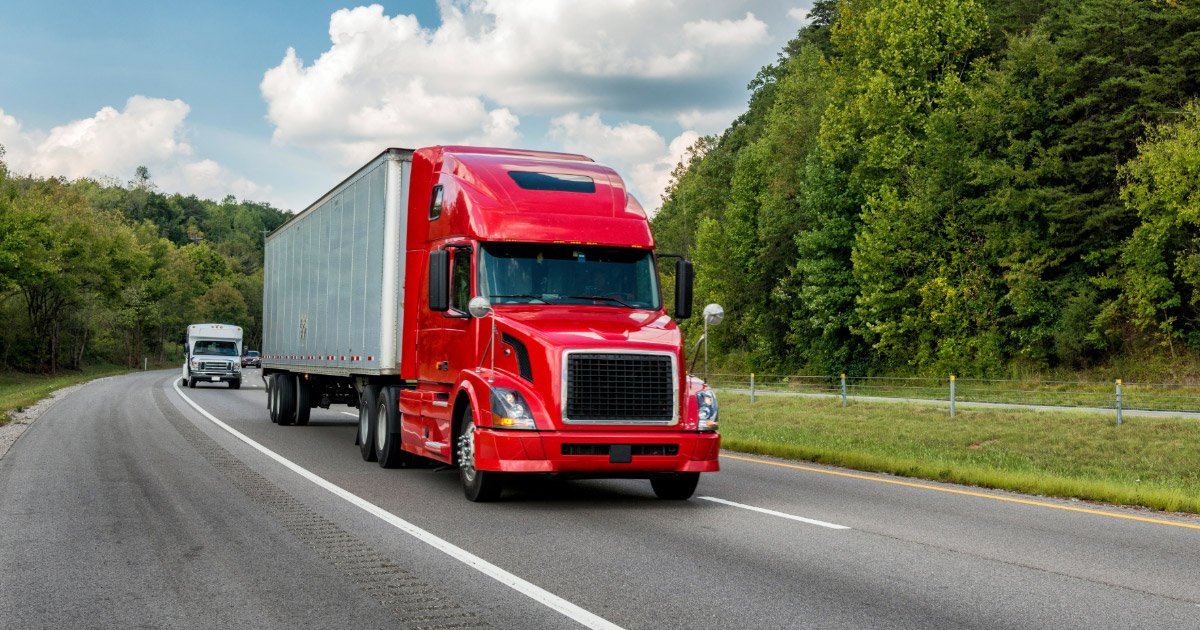
Large trucks (commercial vehicles) are not permitted to travel in the far left lane on highways with more than two lanes traveling in each direction, unless the speed limit is less than 65 mph. In some places, truckers are not permitted to use the far left lane at all. If a large truck is traveling 15 mph below the speed limit on a two-lane highway, it must keep to the right. Buses and other commercial vehicles are exempted, as are trucks preparing to make a left exit or performing road work.
9. Follow Special Rules on Roads Marked with Traffic Lanes
Drivers must stay in their lane, keep right if moving slowly, and follow all lane markings and traffic control devices. Passing is restricted by line types, and special rules apply to three-lane roads and slow-moving trucks. Violations of these lane-use rules may result in penalties.
Source: § 46.2-804 Special regulations applicable on highways laned for traffic; penalty
10. Obey Lane-Use Control Signal Arrows & Colors
If the light over your lane is green, you’re all set! But if it’s red, you must stop and cannot travel in that lane. If it’s yellow, you should get out of the lane as soon as possible. Occasionally there are white arrows pointing in specific directions. If you come across one of them, you may only turn in the direction the arrow is pointing, but you still have to wait for people walking and other vehicles to go first if they’re already in your path.
Source: § 46.2-805 Lane-use control signals
11. One-Way Streets Must Be Followed as Marked
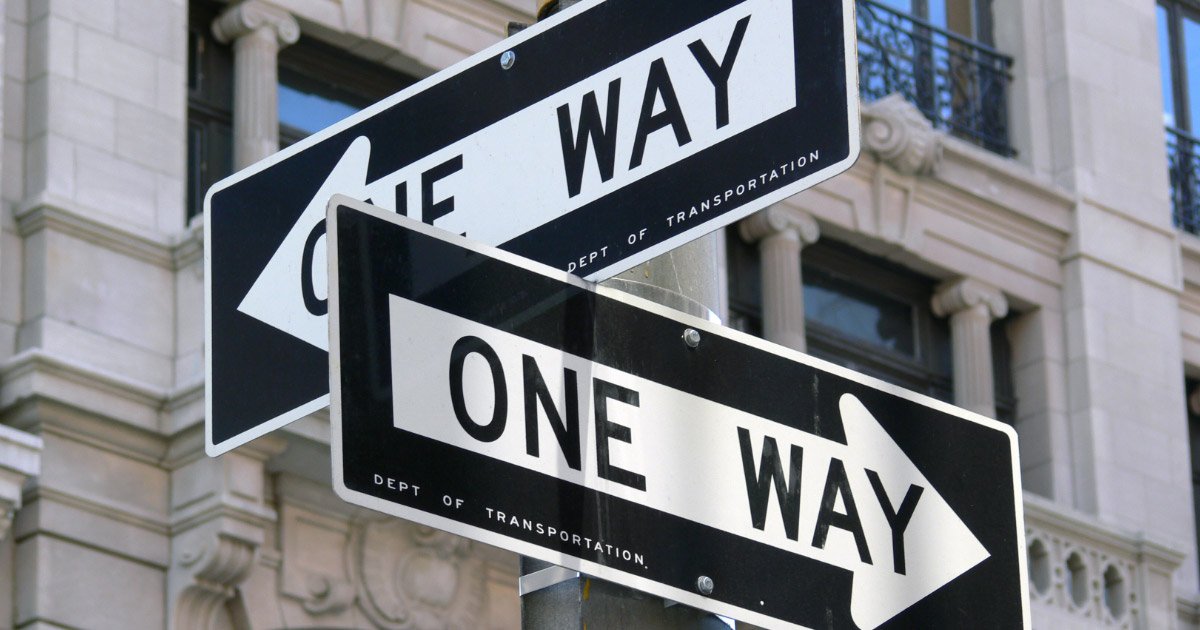
If it is a one-way slide, you may only travel in a single direction and not the opposite way. All of the drivers must travel in the direction indicated by street signs.
Source: § 46.2-806 One-way roadways and highways
12. Drive to the Right of the Circle in Roundabouts
Vehicles must travel to the right of the central island when driving through a circular intersection, unless signs or signals direct otherwise.
Source: § 46.2-807 Path of travel at circular intersections
13. Some Vehicles May Be Banned from Certain Highways for Safety
The Commonwealth Transportation Board, which is a group responsible for roads in Virginia, can prohibit specific individuals or items from traveling on highways in order to ensure safety for all. This may pertain to pedestrians, bicyclists, individuals on small electric bicycles or scooters, animals drawing vehicles, self-propelled machinery, and animals being ridden or driven on foot. The locations where these regulations begin and end will be plainly indicated. This does not pertain to vehicles or machinery of the Virginia Department of Transportation, or anything allowed on the highway. Any violation of these regulations can result in a traffic citation.
14. Unauthorized Vehicles Can’t Use Highway Crossovers
Posted crossovers on controlled access highways are only for use by authorized vehicles. These include law enforcement, emergency services, certain tow trucks, and other authorized or contract vehicles. Unauthorized use is a traffic offense with a maximum penalty of $250.
Source: § 46.2-808.1 – Use of crossovers on controlled access highways; penalty
15. Higher Fines for Violations in Safety Corridors
Highway safety corridor moving violations can have fines of up to $500. The fines double when the driver waives court and is guilty by plea. Criminal offenses are punishable by at least a $200 fine. Localities cannot assess penalties.
Source: § 46.2-808.2 – Violations committed within highway safety corridor; report on benefits
16. Work Zone Violations Come With Steep Fines
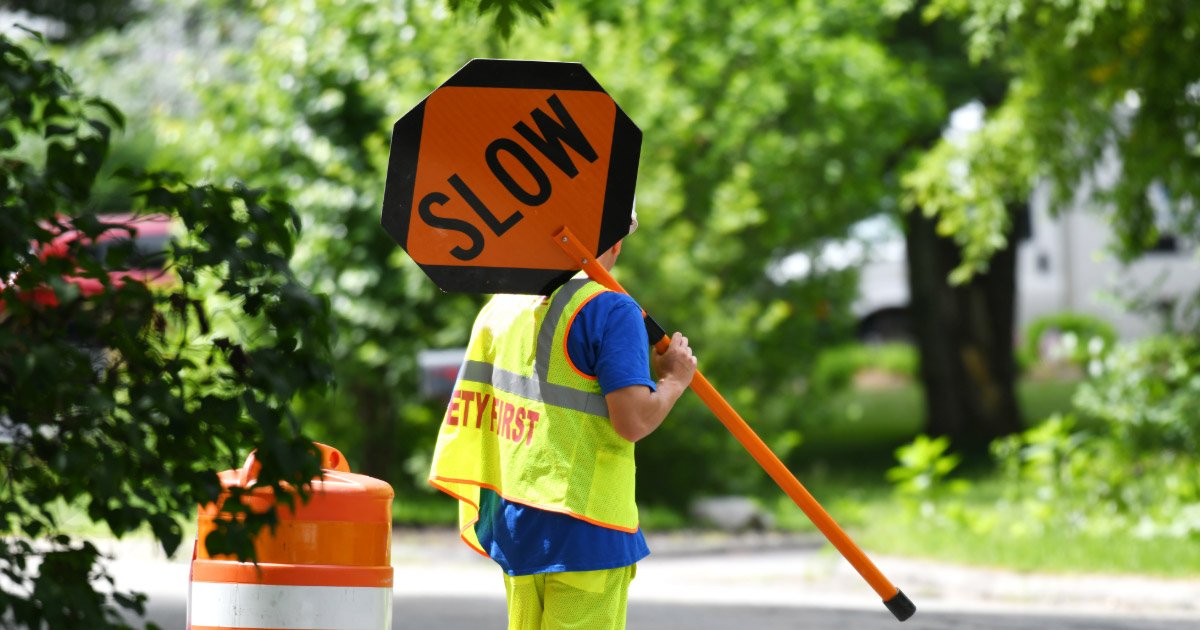
Moving violations in highway work zones where workers are present carry a minimum $300 fine for a first offense and at least $500 for a repeat offense. A second repeat offense within 12 months raises the fine to $750. Reckless driving charges can still be applied if the act shows a blatant disregard for safety.
Source: § 46.2-808.3 – Violations committed within highway work zone; penalty
17. Truck Traffic May Be Restricted on Some Roads
A local government may decide to regulate truck traffic on their highways to maintain safety for residents. They can request the Transportation Board to assist them after consulting with their community needs. If a reasonable alternate route for the trucks exists, the Board may consent to restrict or prohibit the trucks from specific highways.
Source: § 46.2-809 – Regulation of truck traffic on primary and secondary highways
18. Board Can Regulate Residential Cut-Through Traffic
The Commonwealth Transportation Board may adopt regulations to manage vehicles that simply drive through residential neighborhoods without making a stop, in order to maintain the safety and quiet of such neighborhoods. These regulations, however, shall not be in effect in large cities, towns with their own system of streets, or counties with their own highways.
Source: § 46.2-809.1 – Regulation of residential cut-through traffic by Board
19. Drivers of Passenger Vehicles Must Be at Least 18
Anyone under 18 is not allowed to drive a motor vehicle used to carry public passengers, regardless of license status.
Source: § 46.2-810 – Age limits for drivers of public passenger-carrying vehicles
20. No Smoking in Cars With Minors Present
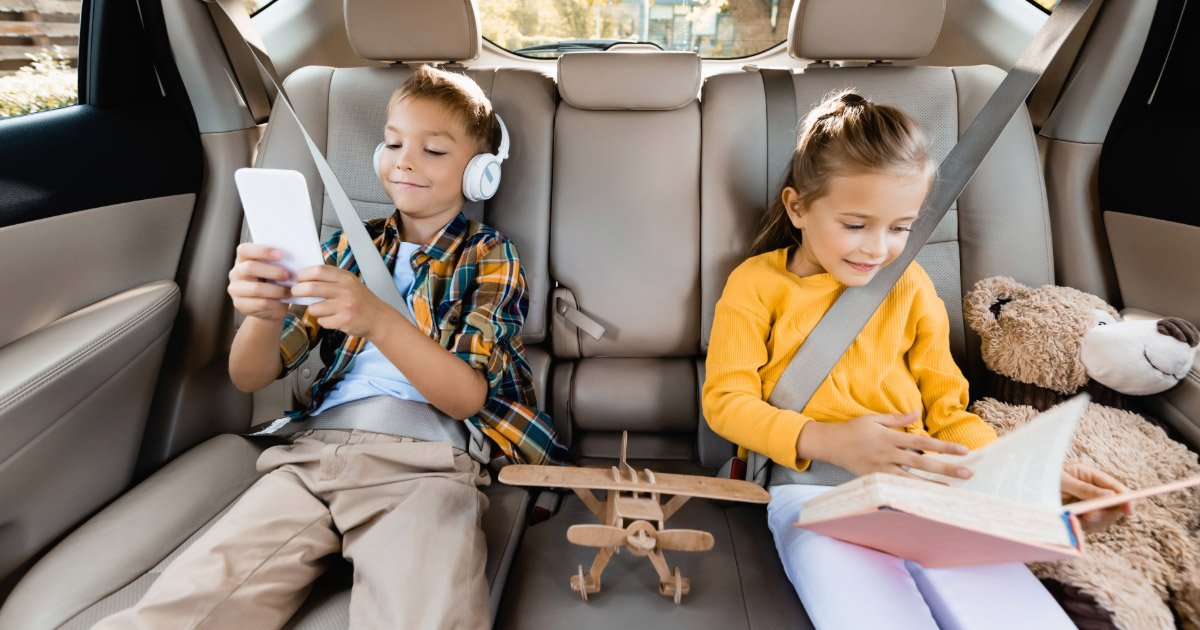
It is unlawful for someone to smoke a car if there is a person under 15 inside. You can be fined $100 for smoking with a child in your car.
Source: § 46.2-810.1 – Smoking in vehicle with a minor present; civil penalty
21. No Coasting in Neutral on Downhill Roads
You must not put your car into neutral and coast down hill. It is against the law because as soon as you put your car into neutral, your car has less power and you have less control of your car.
Source: § 46.2-811 – Coasting prohibited
22. Driving Over 13 Hours in 24 Is Not Allowed
Drivers may not operate a motor vehicle for more than 13 hours within any 24-hour period, including time driven in other states. This rule does not apply during snow, ice, or emergency operations. Vehicle owners are also prohibited from allowing violations of this limit.
Source: § 46.2-812 – Driving more than thirteen hours in twenty-four prohibited
23. No Riding in a Trailer While It’s Being Towed
That means that you can’t remain or even exist in the trailer for however long the car is traveling along the road. You can’t have someone step out of the car and remain back in the trailer as you haul the trailer.
Source: § 46.2-813 – Occupation of trailer being towed on highways
24. Keep Out of Marked Safety Zones
Drivers are not allowed to drive through or over designated safety zones under any circumstances.
Source: § 46.2-814 – Driving through safety zone prohibited
25. Hazardous Cargo Banned in Tunnels With Posted Signs
Transporting hazardous, explosive, or flammable cargo through highway tunnels in violation of posted signs is a Class 1 misdemeanor under Virginia law.
Source: § 46.2-815 – Hauling certain cargoes through tunnels in violation of posted signs; penalty
26. Don’t Follow Other Vehicles Too Closely
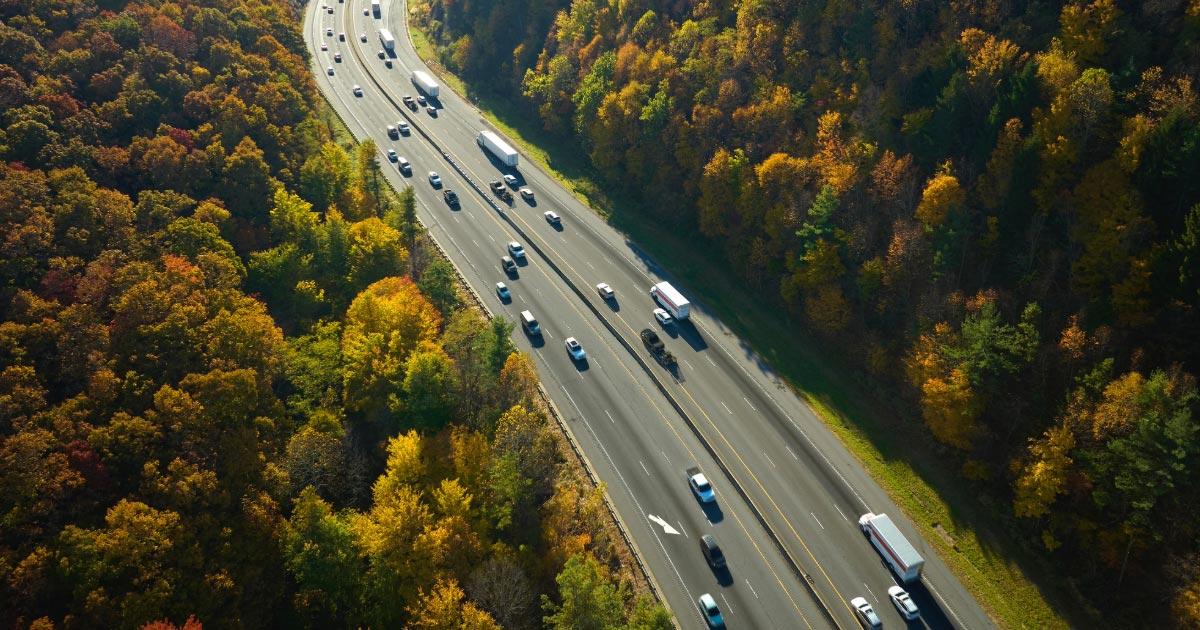
While driving, you should not get too close to the car in front of you. You should consider how quickly both of you are moving, the number of cars on the road, and the condition of the road.
Source: § 46.2-816 – Following too closely
27. Careless Driving That Harms Vulnerable Road Users Is a Crime
It’s extremely necessary to drive cautiously and not be distracted. Otherwise, you might injure or kill a person who’s walking, bicycling or employing other non-automobile means of transportation. It can be a significant crime and penalty.
Source: § 46.2-816.1 – Careless driving and infliction of injury or death on vulnerable road users; penalty
28. Fleeing Police After a Stop Signal Can Lead to Felony Charges
If a police officer indicates that you should stop your vehicle and you don’t, that is a crime. It’s worse if you endanger people by not stopping. If a police officer is injured due to pursuing you, the penalty is even more severe. If you are convicted, you may lose your driver’s license for a period of time. If you were speeding excessively when this occurred, you will lose your license for an even longer amount of time.
Source: § 46.2-817 – Disregarding signal by law-enforcement officer to stop; eluding police; penalties
29. Blocking or Stopping Commercial Vehicles Is Illegal
You cannot stop a person’s vehicle just to slow them down, block an area such as a gas station or rest stop, or damage a truck or its occupants. If you do so, you can get into hot water with the law and have your driver’s license suspended for a period of one year. The law does not include police officers, school guards, firefighters, or emergency medical personnel in the course of their business or construction vehicles on road work.
30. Open Car Doors Safely or Face a Fine
This means you cannot open the door of a parked vehicle on the side where traffic is coming unless it is safe. If you violate this rule, you will receive a ticket and be fined up to $50, but you will not receive any points on your driving record. The rule does not cover police officers, firefighters, or emergency medical personnel who are on duty.
Source: § 46.2-818.1 – Opening and closing motor vehicle doors; penalty
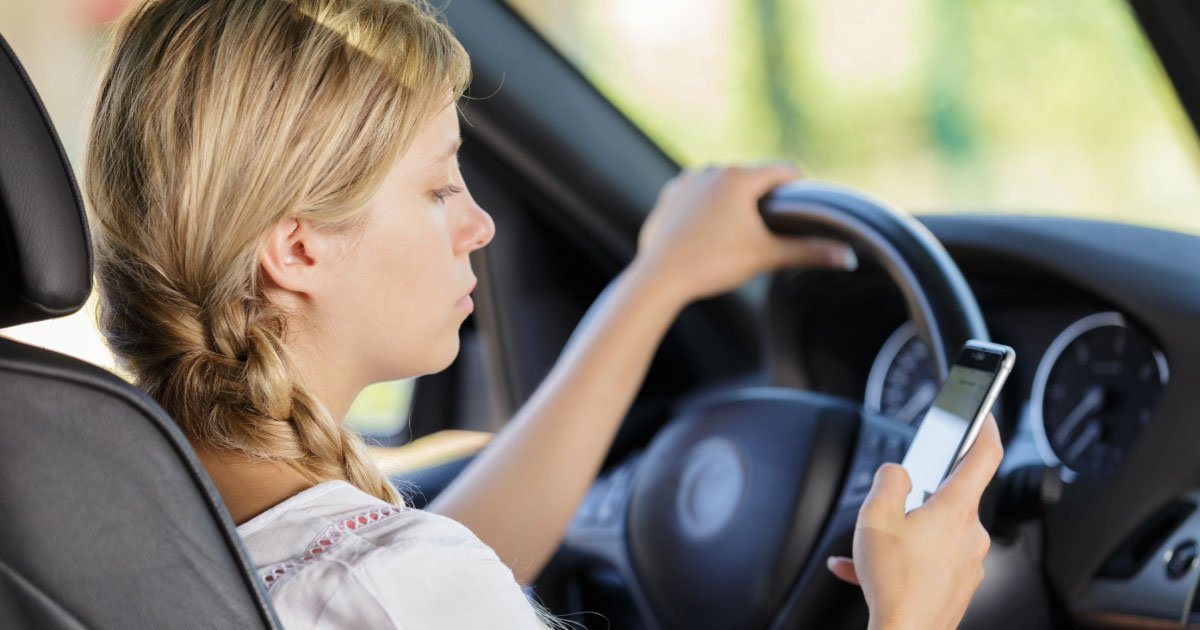
31. Handheld Phone Use While Driving Is Banned With Few Exceptions
This law states that you cannot hold a phone or similar object while operating a car. There are a few exceptions, such as if you are an emergency worker on the job, or if you are parked. You are allowed to use your device to report an emergency, use specific radios, or if you work for the Department of Transportation. If you violate this law and get caught, you must pay a penalty. The penalty is $125 for a first-time offender, and $250 if you repeat it. If you violate this law in a construction zone, you must pay $250, regardless.

Interested in Selling Your Car in Virginia?
If so, click here to get an instant cash offer from Virginia Car Buyers. We’re looking to buy newer used cars, junkers, crashed cars, and just about anything that has four wheels. We buy every make, model, and year vehicle, regardless of condition – fire, flood, blown engine… doesn’t matter!