

In Virginia, if your vehicle is determined to be repairable and not a total loss, property damage claims usually move into the repair process rather than the salvage title or replacement vehicle process. Generally, the repair process includes an inspection and repair estimate, obtaining approval for the repairs, tearing down the vehicle, possibly finding supplemental damage during teardown, handling payment for the repairs, resolving transportation issues related to the vehicle, and possibly a later dispute over diminished value after the repairs are completed.
When an auto accident occurs, most drivers think that since their car has been damaged from the accident, it is being repaired or totaled.
Normally, the ability to repair a vehicle is much more complicated than simply determining if it can be repaired; several parties influence how a claim proceeds, what repairs are approved, whether additional damage discovered during teardown receives proper authorization, and whether any work done on a vehicle returns it to the condition it is in prior to being damaged in an accident.

In the state of Virginia, these issues are governed by state laws regarding how insurance claims are handled, standards for vehicle title brands, mandatory disclosures for the use of aftermarket parts, and standards for rental or transportation reimbursable expenses.
The practical aspect for drivers in Virginia is not only about fixing their vehicle but also about how the insurance claims process is handled from the initial estimate until the vehicle is picked up.
Key Takeaways
- Estimates, repairs, and payment typically result from a repairable claim in Virginia rather than a claims process that ultimately results in a salvage certificate.
- Virginia law states that if an insurer creates a repair estimate, the insurer is required to provide a copy of that estimate to the claimant.
- In addition, the estimate must provide a clear basis for the amount of damage you can reasonably expect to have repaired properly.
- If a vehicle is significantly damaged but is still able to be repaired economically under Virginia definitions, then the vehicle does not qualify as a salvage vehicle, as long as a portion of the vehicle remains.
- When there are ongoing repairs, rental transportation, towing, and storage issues frequently become serious real-world problems.
- When damaged parts come to light after they are disassembled, supplemental estimates are not unusual.
- Virginia allows additional estimates on items that are not damaged when the repair begins (including with respect to items seen on photographs or video, in some cases).
- After making repairs, diminished value is an important consideration in Virginia claims for both first-party and third-party claims.
In Virginia, Who Decides if My Car Is Repairable Instead of a Total Loss?
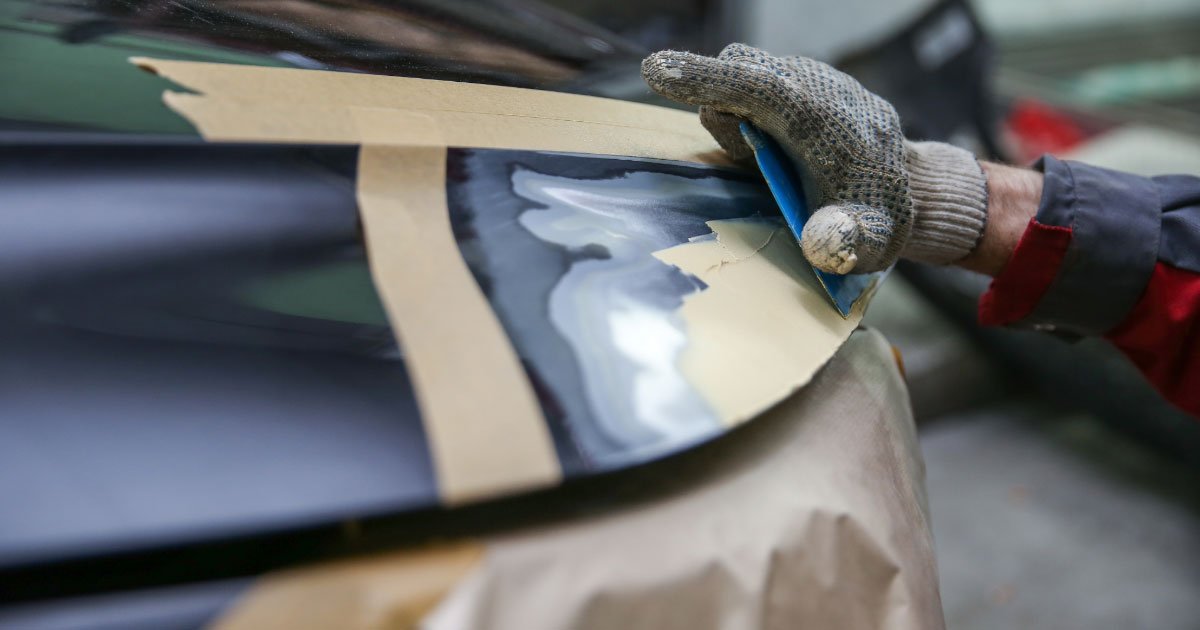
If your vehicle is not totaled, it may be due to two reasons. Either the damage is not yet severe enough under Virginia criteria for a vehicle to meet the salvage definition, or the insurer believes it is still possible to repair it in a reasonable manner.
Even if a car sustains extensive damage, it may not necessarily mean it is automatically considered a written-off vehicle in Virginia.
Repairable does not just mean there is limited damage. There could still be a need to complete many different repairs, such as bodywork, frame repairs, suspension repairs, lighting repairs, airbag work, or repairs to sensor-related equipment.
It is important to understand Virginia DMV definitions. They generally define a salvage vehicle as an accident-damaged vehicle whose repair costs exceed the actual cash value of the vehicle minus the current value of the salvage parts.
Nonrepairable vehicles are not worth repairing and cannot be restored, except for use of their parts for other vehicles as scrap.
A rebuilt vehicle is defined as a salvaged vehicle that has been rebuilt for use on public roads or a late-model vehicle that has been rebuilt after sustaining damage of at least 75 percent of the vehicle’s actual cash value, as defined by state law.
The definition of a repairable vehicle differs from either salvage or nonrepairable vehicles. After the car is considered repairable, the primary focus shifts from title branding to these three areas: handling claims, repairing vehicles, and the cost of repairing vehicles or paying for the vehicle to be repaired.
What Does the Claims Process Usually Look Like if My Car Can Be Repaired?

It is a simple process in theory: report of loss, inspection of the vehicle, preparation of a repair estimate for an equivalent amount, making payment or repair arrangements, scheduling the repairs, tearing down the vehicle, identifying the potential for additional damage, and repairing and releasing the vehicle. In Virginia, if your insurance company prepares an estimate, it must be for a dollar amount that reflects the reasonable cost of restoring your vehicle to its pre-loss condition, and a copy must be provided to you.
Generally, a repair shop may submit a supplement after completing repairs to include any hidden damage that does not show up externally until after repairs are made, for example, damage found after disassembly. Virginia law does allow for supplemental estimates on repairs that occur after repairs have been performed due to additional hidden damage. However, if the repair is disputed, the repair may have to be inspected in person before the claim is submitted as a supplement.
Timing for payment varies between insurance companies. Some pay the shop directly in part, others pay the shop directly in full, and some pay the owner on the claim. The exact reason for this varies based on the claim setup and whether there is a lienholder involved. Many delays in the payment process tend to be practical delays rather than legal, for example, parts shortages, setup of calibration appointments, paint curing time, required framework, or waiting on approval of a supplement. The delays in payment give rise to the next question of who has the ultimate control over what repair choices are made.
Who Chooses the Repair Shop, What Parts May Be Used & What Repairs Should Restore?
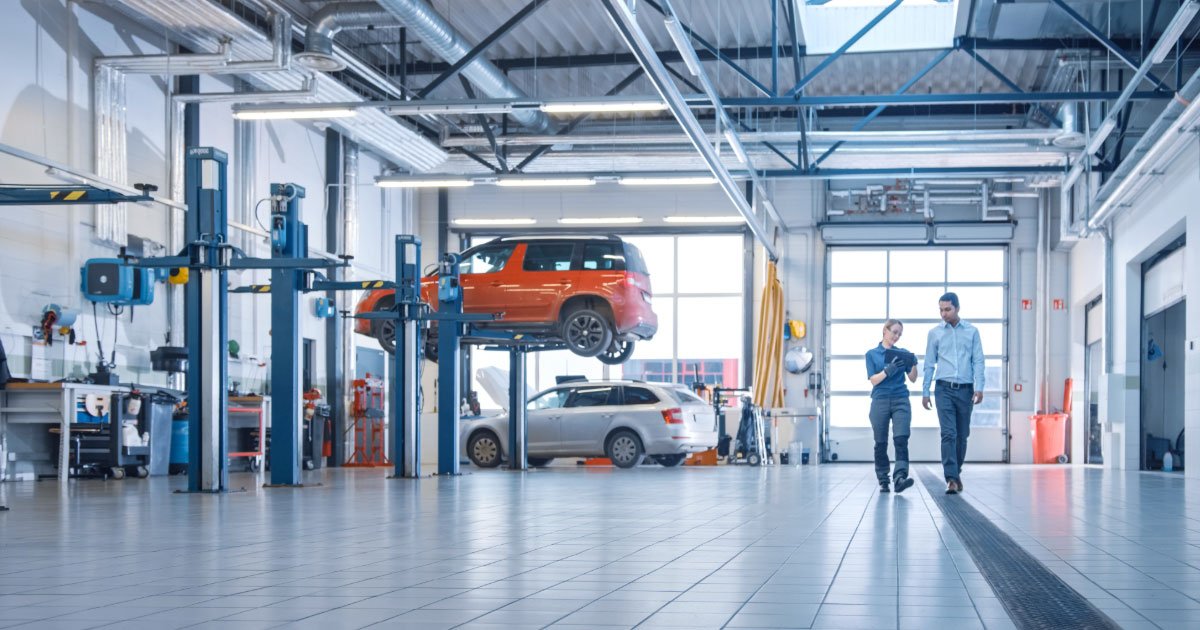
In Virginia, to follow the claims rule, the insurer may provide a few local qualified repair shops to repair the vehicle and meet the same level of coverage that is originally on the policy. However, the owner’s selection still plays a role in the decision of which repair facility to use.
Often, what is most important is not simply the initial estimate (What can I expect the repairs to cost?), but also how the repair is accomplished. Repairs are made with OEM (original equipment manufacturer) parts that are produced by the original manufacturer, aftermarket parts that are produced by another company, or used or recycled parts from another vehicle. Virginia has specific laws regulating when an insurer may prepare or use an estimate based on the use of aftermarket parts for exterior sheet metal or plastic. Insurers are required to provide written notice if an estimate is based on aftermarket parts, stating that the parts used for the repairs are equal in fit, quality, and performance to OEM parts.
Panel fit, paint matching, sensor alignment, headlamp performance, and the possible need to restore the vehicle with new OEM parts post accident are some of the ways that parts selection influences how your car is repaired. Repairable does not mean an automatic return to all factory specifications; even if repairs are performed properly, the potential for the owner to incur temporary driving expenses as well as other out of pocket costs still exists with a repaired vehicle.
Which Costs May Still Matter While the Car Is Being Repaired?

In addition to the other issues involved with a repairable claim, how much should you pay to fix the vehicle, and how will you pay to have insurance cover costs while your car is in the shop? When making a first party claim under your collision coverage, you typically pay your deductible. However, if you make a subrogation claim, you generally do not pay the deductible until the insurer recovers it from the other party. In the Commonwealth of Virginia, insurers must include your deductible in each subrogation demand and must share any third party recovery with you on a pro rata basis until the deductible is paid.
Renter’s insurance typically covers incidental expenses, but that coverage is very limited. Therefore, having no option under your own policy may force you to pursue a third party property damage claim for loss of use against the at fault driver, rather than moving forward with a separate claim to recover for the same loss.
Under Virginia law, any cost incurred is recovered based on the actual expense incurred for the hire of a substitute vehicle comparable to the damaged vehicle for the period of time reasonably and ordinarily necessary, subject to mitigating circumstances. Additionally, Virginia law requires insurers to provide a reasonable time after the date of a crash to allow the claimant to collect any repair related expenses from the at fault driver before terminating established transportation or rental reimbursement expenses related to that crash.
Towing and storage are also important. If the insured has a covered loss that requires towing, Virginia usually requires you to pay reasonable towing fees even if your insurance company provides you with the towing company name prior to the incident. Storage charges cannot be terminated without a reasonable amount of time and notice to remove the vehicle from the garage.
Can I Claim Diminished Value in Virginia After the Repairs Are Done?

Absolutely, this can continue to occur. For example, if a vehicle has its value reduced as a result of an accident, even if it is fully repaired, the owner can reasonably believe that the crash history lowers the vehicle value when it is time to sell or trade it in. This is referred to as diminished value, which is the difference in value before and after the vehicle is repaired from accident related damage, even when the work is completed by a skilled auto repair technician.
Virginia law clearly defines what is meant by the term diminished value compensation, which includes money paid to a third party car owner in addition to the cost of repairing the vehicle because of the reduced value of that vehicle resulting from damage during an accident. Although not all claims result in additional compensation, Virginia law does acknowledge the concept through its statutory definitions.
The problem is amplified in a newer luxury car, a car with low miles, or an accident in which the structural damage is severe and the repairs are very good. The evidence plays a huge role in this determination. The kinds of evidence include repair invoices, photos, market comparisons, and possibly an appraisal. The disagreements stem from whether the repairs are adequate, whether they lower the value of the car at resale, and how much value is actually lost from the accident.
What Can I Do if I Disagree With the Repair Plan, Delay, or Insurance Outcome in Virginia?

Commonly, several types of disputes arise: underbidding estimate, delayed or denied supplement, questions of repair quality, cut off of a rental car, differences of opinion pertaining to parts, and diminished value. The best way to resolve disputes is through organized escalation versus arguments based on broad thoughts, and an initial step is getting all written estimates and clear explanations. Next, request an itemized response from the repair shop, keep photos and invoices, and save emails, texts, and call notes. In the event of a first party claim, the policy language is compared to the insurer position. If necessary, obtain a second opinion on the repairs completed or an appraisal.
Although Virginia has rules for handling dishonest claims and the way insurance claims must be processed, disagreeing with the decision on your claim does not mean it is an illegal claim. If you cannot get your issue resolved, you can continue to escalate the complaint with the insurer. If that is unsuccessful, you may file a complaint through the Virginia SCC Bureau of Insurance website and submit any supporting documentation for review.
What Are My Next Steps Before Approving Repairs?

Even though it may seem straightforward, making a claim for a repairable vehicle in Virginia is not a guaranteed process. First and foremost, you need to evaluate how your insurance company determines how it classifies your vehicle, whether the estimated cost to repair the vehicle reflects what a satisfactory repair is, what materials, parts, and processes are used to complete those repairs, how transportation and timelines are affected, and whether your vehicle has a reasonable chance of losing value after it is repaired.

In addition to these important components of your claim, you have specific protections under the state of Virginia insurance laws covering your rights as an insured. These rights include receiving an estimated cost of repairs, standards that insurance companies must follow to provide a satisfactory estimate, receiving a written disclosure when an insurance company uses any non-OEM or aftermarket part, and a complaint process through the Virginia SCC Bureau of Insurance against an insurer that handles your claim in a problematic manner.
Before giving your approval for repairs, be sure to review the quote thoroughly. Ask clear questions regarding parts, calibrations, and how any supplements are being handled. Keep copies of all invoices and photos. Track any rental issues you experience, as well as delays. Obtain Virginia-specific professional assistance if it takes longer than expected to complete a claim or if the final result of the repair does not return your vehicle to its original condition from before the accident occurs.